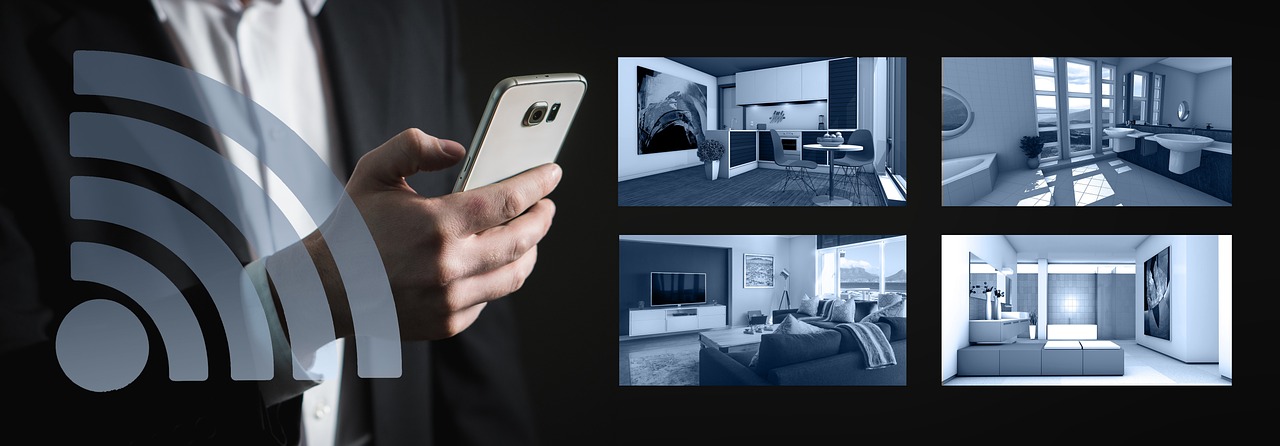
Home cameras and video doorbells are everywhere now, and so are disputes about them. Most of these disputes are not about evil intent: a wide-angle lens simply sees more than its owner realized, or a doorbell microphone picks up voices across the street. This page explains where the legal lines are in the US, the UK and the EU, what courts have said, and practical etiquette for both sides of the fence.
Good aim, bad aim
United States
There is no federal or state law that bans home security cameras, and you may film your own property and what anyone can see from the street. The limits come from several directions:
- Voyeurism and “peeping” laws. Every state makes it a crime to film someone in a place where they reasonably expect privacy, such as inside a home, a bathroom or a bedroom, especially when they are undressed. A camera aimed into a neighbor’s window can cross this line.
- Audio and wiretap laws. Recording other people’s conversations without consent can be a crime, and in all-party consent states (such as California, Florida, Illinois, Maryland, Massachusetts, Pennsylvania and Washington) the bar is high. Doorbells and outdoor cameras often record audio by default. See the state-by-state map.
- Invasion of privacy (intrusion upon seclusion). A neighbor can sue if a camera intentionally intrudes into their private affairs in a way a reasonable person would find highly offensive, such as constant filming of their back yard or pool.
- Harassment, stalking and nuisance. Cameras used to watch and intimidate a specific person can support a harassment order, and courts sometimes order cameras moved.
- HOA rules, leases and local ordinances. Homeowners’ associations and landlords can limit where cameras go. Some cities have rules on cameras facing public ways or on light trespass from camera floodlights.
United Kingdom
The Information Commissioner’s Office (ICO) says that if your home camera captures images beyond your boundary, such as your neighbor’s property, a public street or a shared path, data-protection law applies to you. You should be able to explain why you need that coverage, tell people (for example with a sign), keep footage only as long as needed, keep it secure and answer requests for copies within one month. The ICO suggests positioning cameras to capture only your own property and using privacy filters to blur or block out parts of the picture. Its guidance is under review after the Data (Use and Access) Act, so check for updates.
The best-known court case is Fairhurst v Woodard (Oxford County Court, October 2021). A homeowner’s Ring doorbell and other cameras captured a neighbor’s garden, parking space and, above all, audio from far beyond his boundary. The judge found breaches of the Data Protection Act 2018 and harassment, and said audio was even more intrusive than video because it could capture private conversations. The neighbor was awarded damages.
European Union
The GDPR does not apply to “purely personal or household” activity, but the Court of Justice ruled in Ryneš (2014) that a camera covering even partially a public space, directed outwards from the home, is not purely household. The EDPB’s video guidelines add that a camera on a fenced private garden can be exempt provided it does not extend even partially to a public space or neighboring property. In practice, if your camera sees next door, you are a data controller with duties of purpose, minimization, signs and retention (see GDPR webcams). National courts, notably in Germany, have also ordered neighbors to re-aim or remove cameras that create pressure of being watched.
Quick comparison
| Question | United States | United Kingdom | European Union |
|---|---|---|---|
| Can I film my own property? | Yes | Yes | Yes (household exemption if nothing beyond) |
| Can it see the street? | Yes | Yes, but data-protection duties apply | Yes, but GDPR applies (Ryneš) |
| Can it see into a neighbor’s home or yard? | Risky: voyeurism, privacy tort, harassment | Data-protection breach risk; harassment | GDPR applies; usually not justified |
| Can it record audio? | Depends on state; often illegal for others’ conversations | Treated as very intrusive (Fairhurst) | Rarely justified; switch off |
| Do I need a sign? | Not generally | Recommended by the ICO | Generally yes once GDPR applies |
| Who to complain to | Police (voyeurism), courts, HOA | ICO, courts, police | National data-protection authority, courts |
Etiquette for camera owners
- Tell your neighbors before you install. A two-minute chat prevents most disputes. Offer to show them the view on your phone.
- Aim down and in. Mount the camera to look at your door, porch and driveway, not across the street or over the fence. A higher, downward angle sees less of next door.
- Use privacy masks. Nearly all modern cameras and doorbells let you black out zones. Mask windows, neighboring yards and shared areas you don’t need.
- Turn audio off, or at least reduce it, on doorbells and outdoor cameras.
- Limit motion zones and retention. Detect and keep only what happens on your own property, and auto-delete clips after a short time.
- Mind your lights. Bright camera floodlights that shine into a bedroom are a common complaint. Angle them down.
- Never stream a home camera publicly if it shows anything beyond your property. LiveLocation does not list home, yard or doorbell cameras at all.
If your neighbor’s camera points at you
- Talk first, calmly. Ask what the camera sees and whether they could re-aim it or add a privacy mask. Many owners simply don’t know.
- Ask to see the view. In the UK and EU you can also ask for a copy of footage of you (a subject access request).
- Write it down. Note dates, what you believe is filmed, and any audio or lights.
- Use mediation. Many towns and counties offer free community mediation.
- Escalate if needed. In the UK, complain to the ICO; in the EU, to your data-protection authority; in the US, contact your HOA or landlord, and the police if you believe you are being filmed inside your home or in a state of undress. For harassment, a lawyer can advise on a court order.
Video doorbells: the most common problem
A video doorbell sits at chest height, faces straight out and usually has a very wide lens (often 150 degrees or more) and a sensitive microphone. On a terraced street or in a row of townhouses that combination sees the neighbor’s front door, the sidewalk and the houses across the road, and hears everyone who walks past. Three settings fix most of it:
- Privacy zones: black out the neighbor’s door and windows in the app, so they are never recorded.
- Motion zones: draw the detection area around your own porch and path, so passers-by don’t trigger recordings.
- Audio: switch off audio recording (two-way talk can usually stay on for when you answer the door).
If the doorbell still looks straight at the house opposite, a small angled wedge mount turns it toward your own path.
What a judge or regulator tends to look at
When a camera dispute reaches a court or a regulator, the questions are fairly predictable, whatever the country:
- Purpose. Was the camera there for a real reason, such as past break-ins or parcel theft, and is the coverage proportionate to that reason?
- Coverage. How much of the neighbor’s private space does it see, and could the owner easily have avoided it with masks or a different angle?
- Audio. Did it record conversations beyond the owner’s property?
- Honesty. Did the owner tell the neighbor the truth about what the camera captures? In Fairhurst, misleading the neighbor counted against the owner.
- Behavior. Was the camera part of a pattern of intimidation, or was it a normal security measure?
Cameras on shared buildings and rentals
In apartment buildings, condos and shared driveways, the rules are stricter in practice: shared hallways, stairs and parking are communal spaces, so a camera there almost always needs the agreement of the other owners or the building association, and in the UK and EU it falls under data-protection law. Tenants usually need the landlord’s permission to drill and mount. Landlords may not put cameras inside a rented home, and in many places must disclose any cameras on common areas.
Do these next
- Re-aim your camera at your own entrance.
- Add privacy masks and switch audio off.
- Secure the camera so strangers can’t watch it either.
Questions people ask
Can my neighbor point a camera at my house?
A camera may capture what anyone can see from the street, but filming into your windows, yard or other private space can be voyeurism, harassment or invasion of privacy in the US, and a data-protection breach in the UK and EU.
Is it legal for a doorbell camera to record audio?
It depends on where you live. In US all-party consent states, recording neighbors’ or passers-by’s conversations without consent can be illegal. A UK court in Fairhurst v Woodard (2021) found a doorbell’s wide audio capture breached data-protection law.
What can I do if my neighbor's camera films my yard?
Talk to them first and ask them to re-aim or add a privacy mask. If that fails, try mediation, then complain to the ICO (UK) or your data-protection authority (EU), or seek legal advice. Contact police if you are filmed inside your home.
Does the GDPR apply to my home camera?
Only if it films beyond your own private property. A camera that covers even part of the street or a neighbor’s property is not purely household activity, per the Ryneu0161 judgment.
Do I need to tell my neighbors about my camera?
In the US it is not generally required, but it is good manners. In the UK the ICO advises telling people if your camera captures beyond your boundary, for example with a sign.
Sources
- UK ICO: Home CCTV systems (checked 2026-10-07)
- Fairhurst v Woodard, Oxford County Court, judgment of 12 October 2021 (PDF copy) (checked 2026-10-07)
- Court of Justice of the EU, Case C-212/13 Ryneu0161 (11 December 2014) (checked 2026-10-07)
- EDPB Guidelines 3/2019 on processing of personal data through video devices (checked 2026-10-07)
- Reporters Committee for Freedom of the Press: Reporter's Recording Guide (checked 2026-10-07)
- 18 U.S.C. u00a7 1801, Video voyeurism (Cornell LII) (checked 2026-10-07)
Last reviewed October 7, 2026 by the LiveLocation team. General information, not legal or electrical advice.