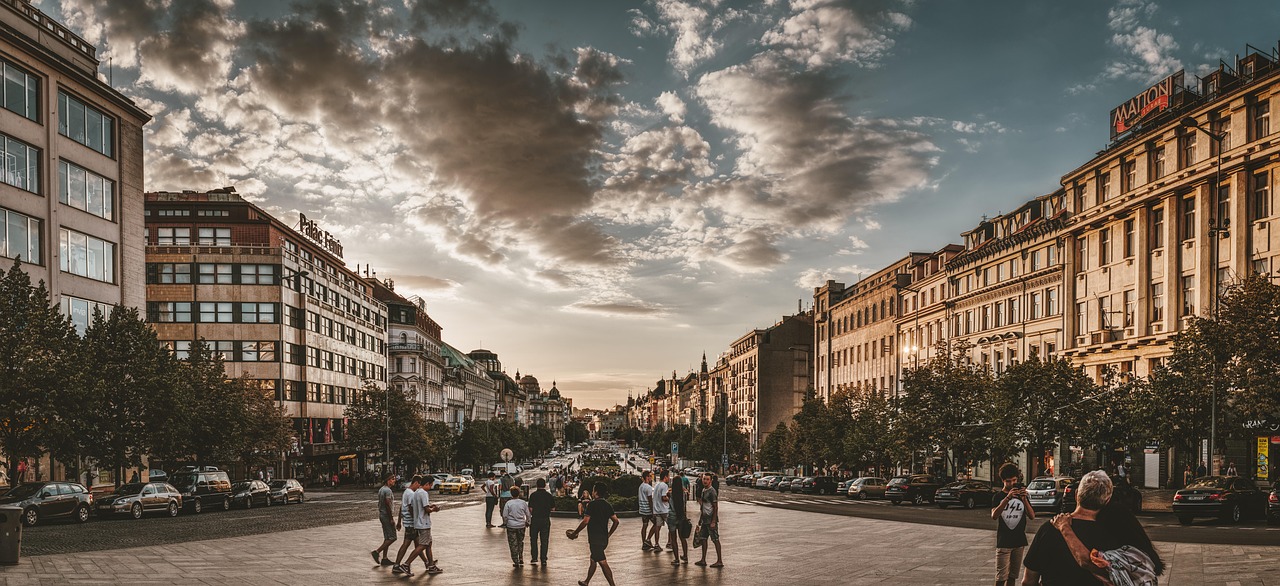
Every camera on LiveLocation was published on purpose by its owner or an authority, and our own rules (see How we choose cameras) are stricter than the law in many places: no private interiors, no close-ups of people, no yards or windows, and nothing we would have to record or re-host. If you are planning a camera of your own, the pages below help you stay on the right side of the law and of your neighbors.
United States: filming and audioVideo in public is broadly allowed; audio consent rules by state, with a map.
EU and GDPR webcamsThe EDPB video guidelines, the Ryneš case, signs and the household exemption.
Cameras and neighborsWhere your camera may point, what courts have said, and how to keep the peace.
Privacy by designAngles, resolution, privacy masks and audio off: build a respectful public webcam.
How we choose camerasOur own eligibility rules and hard bans, which go beyond the law.
The three questions behind almost every camera law
Whatever the country, lawyers tend to ask the same three things about a live camera:
- Can people be identified? A wide view of a beach where people are small dots is very different from a camera at a café counter. The more a person can be recognized, the more privacy and data-protection law applies.
- Where is the camera looking? Public streets and landscapes are one thing; a neighbor’s garden, a window, a changing room or a school playground is another. Many laws protect places where people reasonably expect privacy.
- Is it recording sound? Picture and sound are treated differently. In the United States, recording other people’s conversations can be a crime under state wiretap laws, even when filming the same scene silently would be fine.
Streaming to the whole internet raises the stakes on all three. The European Court of Justice has said that publishing personal data online to an indefinite number of people is never a “purely personal” activity, and a camera that covers even part of a public space is not a household matter either. That is why public webcams in Europe should be designed with care from the first day.
Quick guide by situation
| Your situation | Start with |
|---|---|
| A town, hotel or beach bar wants a public webcam | Livestreaming public places, then privacy by design |
| Your camera has a microphone | US audio consent by state (and switch audio off for public streams) |
| Your camera is in the EU or UK | EU and GDPR webcams |
| A home camera that sees next door | Cameras and neighbors |
| You want your camera on LiveLocation | Submit your camera and our rules |
Do these next
- Check the basic rules where your camera will be.
- Frame it wide, mask private areas and switch audio off.
- Start streaming and share it on LiveLocation.
Questions people ask
Is it legal to put a live camera on a public place?
In most countries, yes, if the view is wide, private property is not shown and audio is off. In the EU and UK the GDPR adds duties such as signs and a legal basis when people can be identified.
Is audio recording legal on a webcam?
Often not. In the US, recording conversations needs at least one participant’s consent and in some states everyone’s. Switch the microphone off on public cameras.
Can I film my neighbor's property?
You should not point a camera into a neighbor’s windows, yard or other private space. It can be voyeurism or harassment in the US and a data-protection breach in the UK and EU.
Are these guides legal advice?
No. They are general information with sources and review dates. For a real decision, ask a lawyer where the camera is.
Sources
- EDPB Guidelines 3/2019 on processing of personal data through video devices (checked 2026-10-07)
- Reporters Committee for Freedom of the Press: Reporter's Recording Guide (checked 2026-10-07)
- UK ICO: Home CCTV systems (checked 2026-10-07)
Last reviewed October 7, 2026 by the LiveLocation team. General information, not legal or electrical advice.