The world’s best wildlife cams are run by parks, conservation groups and research labs: the National Park Service and explore.org at Katmai in Alaska, the Raptor Resource Project’s eagle nests in Iowa, the Cornell Lab of Ornithology’s bird cams, and lodges and reserves across Africa. Knowing when to watch makes all the difference between a dramatic feeding and an empty nest. This calendar and guide help you plan, and the live picks below come straight from our map.
The wildlife cam calendar
Live wildlife cams on LiveLocation
 Live nowYouTube liveGiant pandas, Chengdu Panda Base, China
 Live nowYouTube liveKalahari Desert waterhole, Namibia
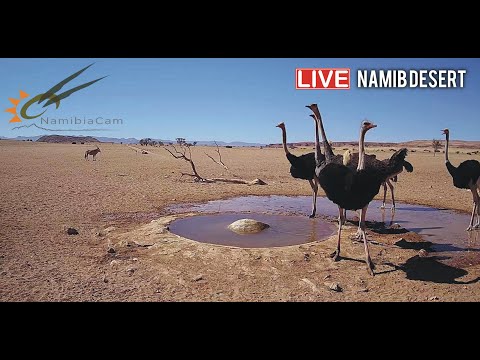 Live nowYouTube liveNamib Desert waterhole, Namibia
 Live nowYouTube liveOkaukuejo waterhole, Etosha National Park, Namibia
 Live nowYouTube liveFarallon Islands live, off San Francisco
 Live nowYouTube liveAfrican penguin colony, California Academy of Sciences, San Francisco
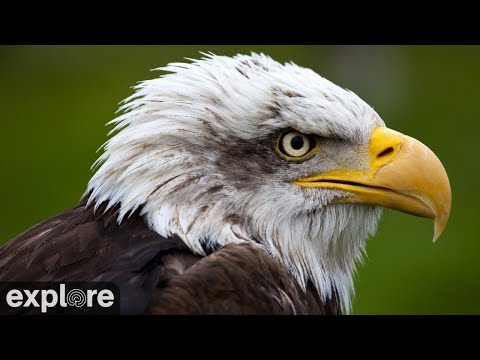
Bird nests have their own picks:
Browse every wildlife camera on the map, or see what’s live near you with near me.
Winter (December to February): eagles return, feeders get busy
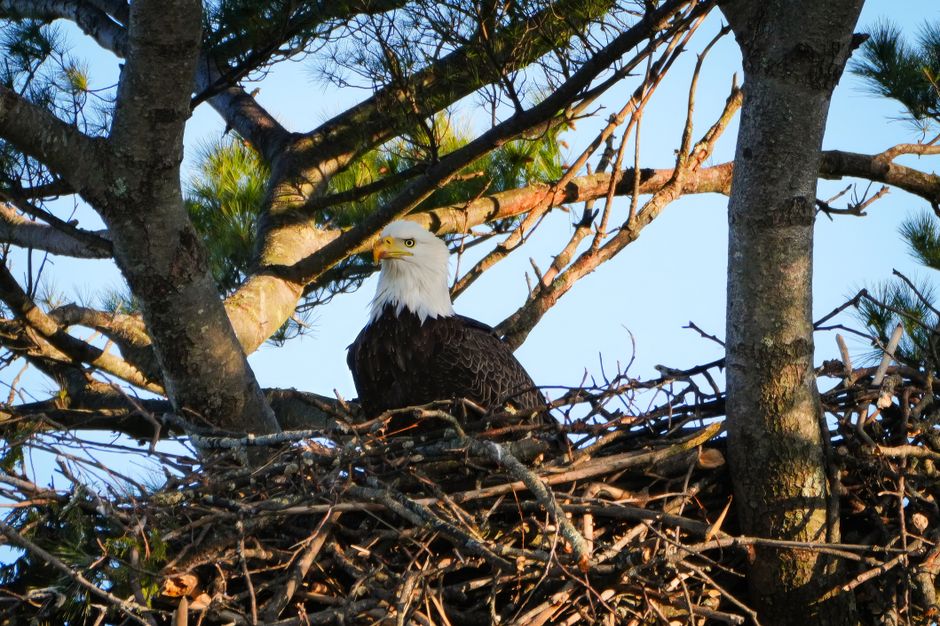
Winter is nest-building season for bald eagles in much of the United States. At the famous Decorah nests in Iowa, run by the Raptor Resource Project and streamed with explore.org, the eagles court in the fall, mate in late January or early February, and usually lay eggs in mid to late February. In 2026, the Decorah female, known as HM2, laid her first egg on 17 February, and the first chick hatched on 27 March. Watching an eagle sit tight on eggs through snowstorms is surprisingly gripping.
Winter is also the best season for feeder cams in North America and Europe: cold weather brings flocks of finches, chickadees, cardinals, jays and woodpeckers to the food. The Cornell Lab of Ornithology’s feeder cams are classics.
In the Southern Hemisphere it is summer, and some of the most beloved seabird cams are busiest, such as New Zealand’s royal albatross nest cam at Taiaroa Head, where chicks hatch around the start of the year.
Spring (March to May): hatching season
- Eagle chicks. Decorah’s eaglets usually hatch in late March or early April. The first weeks, with fluffy grey chicks begging at every meal, draw the biggest audiences of the year.
- Hawks and owls. Red-tailed hawks, great horned owls and peregrine falcons nest on cliffs, buildings and light towers. The Cornell Lab’s red-tailed hawk cam on the Cornell University campus, running since 2012, follows a pair that has returned year after year.
- Ospreys arrive. In the Northern Hemisphere, ospreys return from their winter grounds and repair their stick nests on platforms and poles; eggs follow within weeks.
- Waterfowl and whales. Spring migration fills river and lake cams; at Katmai, the Naknek River cam can show beluga whales and waterfowl in spring.
Summer (June to August): bears, ospreys and puffins
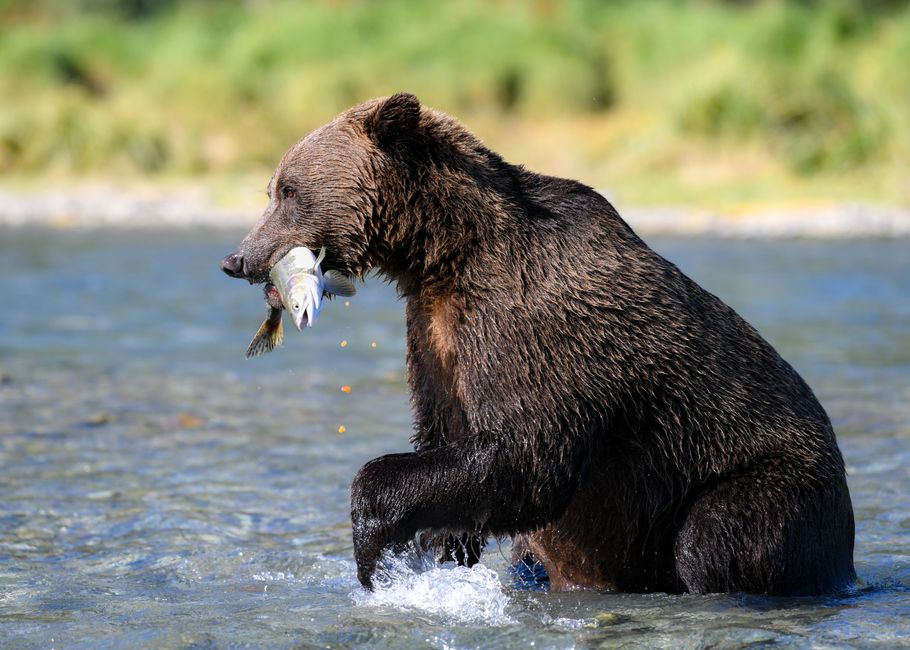
This is the season of the most famous wildlife cam of all: Brooks Falls in Katmai National Park, Alaska. The National Park Service and explore.org stream several cameras there, typically from late June to early October. Salmon start running in late June, and the park says July is peak bear activity at the falls, when as many as 25 bears have been seen fishing at the same time. The park’s other cams include a low view at the falls, the Riffles, the River Watch cam (good for mothers with cubs) and the Dumpling Mountain view over Naknek Lake.
- Osprey chicks grow from tiny balls of fluff to flying juveniles between June and August.
- Puffins nest on North Atlantic islands in early summer; explore.org’s puffin cams in Maine show chicks and adults bringing fish.
- Eaglets fledge: at Decorah, the young usually leave the nest in mid to late June (in 2026, both on 18 June).
Fall (September to November): fat bears and migrations
In late summer the salmon spawn and die, and at Katmai bear activity moves down to the lower Brooks River. September brings bears in large numbers again, now very fat, as they feed before winter. It all ends with Fat Bear Week in early October, when viewers vote for the fattest bear; the bear cams usually stay on into October, and highlights fill the off-season.
- Raptor migration: hawk-watch sites along ridges and coasts see thousands of birds of prey.
- African dry season: from about May to October in southern Africa, water is scarce, and animals crowd the remaining waterholes. Cams at reserves and lodges, such as those run by Africam in South Africa and other countries, are at their best in these months, before the rains arrive.
- Feeders wake up again as northern birds move south and the first cold snaps arrive, bringing new visitors to the food.
All year: underwater, reef and aquarium cams
Aquarium cams, reef cams and sea-life tanks don’t follow the seasons much, so they are perfect when the nests are empty. Kelp forests, jellyfish tanks, shark tanks and coral reefs are relaxing at any hour, and wonderful on a big screen, and many are run by public aquariums as part of their education work. Our map has an underwater filter.
Wildlife cams at a glance
| What | Best months | Famous example | Best time of day |
|---|---|---|---|
| Brown bears fishing | July and September (season late June to early October) | Brooks Falls, Katmai (NPS and explore.org) | Alaska daytime; long summer days |
| Bald eagle nest | February to June | Decorah, Iowa (Raptor Resource Project) | Feedings through the day |
| Hawks and falcons | March to June | Cornell Lab red-tailed hawk cam | Morning and late afternoon |
| Ospreys | April to August (Northern Hemisphere) | Many nest-platform cams in the US and UK | Fish deliveries through the day |
| Puffins | June to July | explore.org puffin cams, Maine | Daytime |
| African waterholes | May to October (dry season) | Africam reserve and lodge cams | Dawn, dusk and night (with lights) |
| Bird feeders | November to March | Cornell Lab feeder cams | Morning |
| Aquarium and reef | All year | Public aquarium cams | Any time |
How wildlife cams work in the wild
A nest or river cam in a remote place is a small engineering feat. Remote river and nest cams usually sit on poles, platforms or trees and often send video over long-distance radio links to a point with internet access. Eagle nest cameras are generally installed outside the breeding season, high in the tree, so the birds are never disturbed while they nest; they often include infrared lighting that the birds can’t see, which is why night views look black and white. Many remote cams run on solar panels and batteries, and some switch off in winter when there is too little sun. When a cam goes dark mid-season, it is often weather, power or a failed link, and volunteers or rangers can only fix it when it is safe for the animals.
Wildlife cams for families and classrooms
Wildlife cams are wonderful for children: a nest with eggs is a real-life story that unfolds over weeks. Pick a cam at the start of its season, check it together every day, and keep a simple diary: date of the first egg, hatching, first feathers, first flight. Many operators publish learning materials and run live question-and-answer sessions with rangers and biologists; Katmai’s rangers, for example, hold online sessions through explore.org and YouTube. A gentle word of warning for younger viewers: nature can be harsh, and not every chick survives.
Tips for better wildlife watching
- Mind the time zone. Katmai is on Alaska time; African cams are on South African or East African time, so their dawn is the European early morning. Our camera pages show local time and whether the sun is up.
- Read the community notes. The best cam operators have chat moderators and blogs that tell you what happened overnight and which animal is which.
- Expect quiet periods. A nest can be still for hours. Leave the stream in a corner of your screen.
- Nature can be hard. Nest cams sometimes show chicks dying or predators. Operators generally don’t intervene, which is part of what makes these cams honest windows on the wild.
- Snapshot vs live. Some remote wildlife cams send a still image every few minutes; our cards say how old the latest picture is.
Why we list these cams the way we do
We play each wildlife cam from its owner’s official player (most stream on YouTube), credit the operator, and never record or re-upload the video. Wildlife cams that show people’s homes or yards don’t qualify. See How we choose cameras. Thinking of putting up your own bird or nest cam? Start with stream your own camera.
Do these next
- Pick this month’s star from the calendar above.
- See the best live cams right now in every category.
- Open the map and turn on the wildlife filter.
Questions people ask
When is the best time to watch the Katmai bear cam?
The bear cams usually run from late June to early October. The National Park Service says July is peak activity at Brooks Falls, and September brings bears back in large numbers before Fat Bear Week in early October.
When do the Decorah eagles lay eggs?
Usually in mid to late February, with hatching in late March or early April and fledging in mid to late June, according to the Raptor Resource Project.
What wildlife cams are good in winter?
Bird feeder cams, eagle nests being built and the first eggs, and Southern Hemisphere seabird cams. Aquarium and reef cams are good all year.
When are African waterhole cams best?
In the dry season, roughly May to October in southern Africa, when animals gather at the remaining water. Dawn and dusk are usually busiest.
Why is my favorite nest cam empty?
Most nest cams follow one breeding season. After the chicks fledge, the nest stays empty until the next season, and some cams switch off or show highlights.
Sources
- National Park Service, Katmai: Webcams (checked 2026-10-07)
- National Park Service, Katmai: Fat Bear Week (checked 2026-10-07)
- Raptor Resource Project: Decorah eagles (checked 2026-10-07)
- Raptor Resource Project: Decorah North nest (checked 2026-10-07)
- Cornell Lab of Ornithology: Bird Cams (checked 2026-10-07)
- explore.org: Live cams (checked 2026-10-07)
- Africam: Live African wildlife cams (checked 2026-10-07)
Last reviewed October 7, 2026 by the LiveLocation team. General information, not legal or electrical advice.